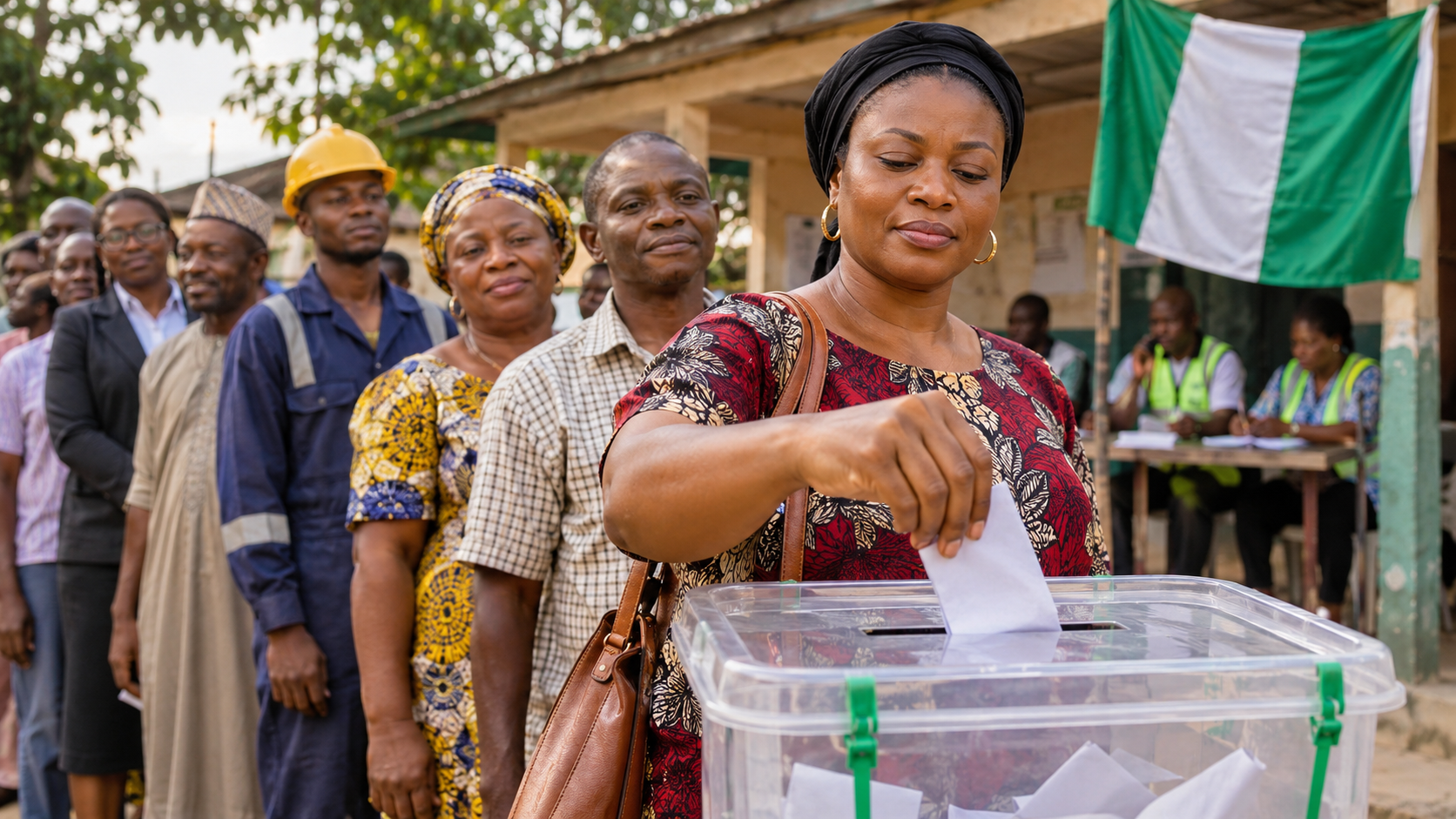

Nigerians deserve to see how their votes become the final election result. The live coverage of America’s November 3 midterm elections brought that expectation into sharp focus: citizens could follow changing vote totals, examine reporting patterns and listen to analysts explain what remained uncertain.
For the National Rescue Movement, the lesson is clear. Electoral transparency requires more than announcing a winner. Citizens must be able to scrutinize the figures and follow the process that produces the outcome.
Ahead of Nigeria’s 2027 elections, the APC-led Federal Government, the National Assembly and the Independent National Electoral Commission must treat that public visibility as a democratic priority.
From television studios to YouTube
The American coverage extended beyond conventional television. NBC News’s Steve Kornacki and MS NOW’s Ali Velshi provided examples of election analysis made accessible through dedicated online broadcasts. Through formats such as “Kornacki Cam” and “VelshiCast,” audiences could follow the unfolding count on YouTube.
The value of such coverage goes beyond presentation. Reliable, accessible results give journalists something concrete to interrogate. They allow audiences to understand where votes have been counted, which areas remain outstanding and whether a candidate’s lead could still change.
Nigerians should have similar opportunities. A voter following an election on a mobile phone should be able to inspect published results and understand how polling-unit figures contribute to the eventual declaration.
Where the results come from
America’s broadcasters do not all obtain their figures from one central federal election database.
The Associated Press, for example, collects results from local election offices, official websites and electronic feeds. It verifies that information before distributing updates to news organizations. This reporting infrastructure helps make thousands of local results accessible to national and international audiences.
Media organizations also use analytical processes to determine when they can call a race. AP says it calls a winner only when trailing candidates no longer have a path to victory.
These calls do not replace official certification. The U.S. Election Assistance Commission makes clear that election-night figures remain unofficial while election authorities complete the required verification and certification procedures.
Nigeria can learn from this distinction. Timely public reporting can support scrutiny while preserving INEC’s legal responsibility to collate results and declare winners.
APC must answer the transparency question
The Nigerian debate must begin with an accurate account of the law.
Section 60(3) of the Electoral Act, 2026 requires electronic transmission of polling-unit results to IReV after the prescribed result form has been signed. It also provides that signed Form EC8A remains the primary source for collation and declaration where communications failure makes electronic transmission impossible.
The central question is how this requirement will deliver timely, reliable public access in practice.
APC National Publicity Secretary Felix Morka has defended the National Assembly’s approach to real-time transmission by citing Nigeria’s connectivity limitations. Those difficulties require serious preparation and investment. They should not become an indefinite justification for gaps in public access to results.
For NRM, the challenge to the governing party is direct: if the APC supports electoral transparency, what measurable safeguards will it support before 2027?
Will it back publicly observed system tests, documented explanations for transmission failures and a traceable record of delayed uploads? Will it support adequate resources for INEC while respecting the commission’s operational independence?
Citizens are entitled to concrete answers. Confidence cannot rest entirely on assurances from institutions or political parties. It must be supported by evidence people can inspect.
Make every result traceable
NRM’s proposed standard is straightforward: citizens should be able to follow a result from polling units through each stage of collation.
That requires five practical commitments:
- Prompt publication: Signed polling-unit result sheets should become publicly accessible as soon as transmission is possible.
- Visible reporting progress: Public dashboards should identify reporting and outstanding polling units, with clear timestamps.
- Usable election data: Alongside result-sheet images, INEC should provide figures in downloadable formats that support independent analysis.
- Accountable exceptions: Transmission failures should have documented reasons, preserved original records and a clear process for subsequent upload and reconciliation.
- Transparent corrections: Changes to published figures should carry an explanation and retain a record of the earlier entry.
These safeguards should apply equally to every political party, including NRM. Their purpose is to protect the voter’s choice, regardless of who wins.
A paper backup can protect an election when technology fails. Its use should also preserve an auditable trail and allow the public to understand what happened.
Build the capacity for responsible live analysis
Nigeria’s media organizations, universities and civil society groups also have a role to play.
Accessible data would help them explain reporting patterns, compare published figures and identify discrepancies requiring clarification. Broadcasters could develop stronger election desks, while digital platforms could bring informed analysis to audiences beyond television.
Speed must remain tied to accuracy. Analysts should identify their sources, explain incomplete information and distinguish provisional assessments from official declarations. Any expansion of media race-calling would also need to comply with Nigerian law.
The immediate priority is dependable access to the underlying results.
Transparency cannot eliminate every electoral offence. It can make inconsistencies easier to detect, questions more precise and institutional explanations easier to assess.
Public confidence must be earned
For the National Rescue Movement, rebuilding Nigeria includes strengthening the institutions through which citizens choose their leaders. Electoral credibility is part of that responsibility.
The lesson from American election coverage is that public scrutiny can continue while counting and verification are underway. Citizens do not have to wait for the final announcement before receiving meaningful information.
Ahead of 2027, Nigerians deserve tested systems, clear procedures and verifiable commitments. Infrastructure challenges must be addressed through preparation, funding and accountable contingency arrangements.
A party confident in its support should welcome scrutiny of the count.
Every valid vote must count. Every result must be traceable. Nigerians must be able to see how their votes become the final outcome.